

What Is a Wellness Hotel? A New Way to Travel
Understanding the philosophy behind a new category of hospitality designed for genuine restoration
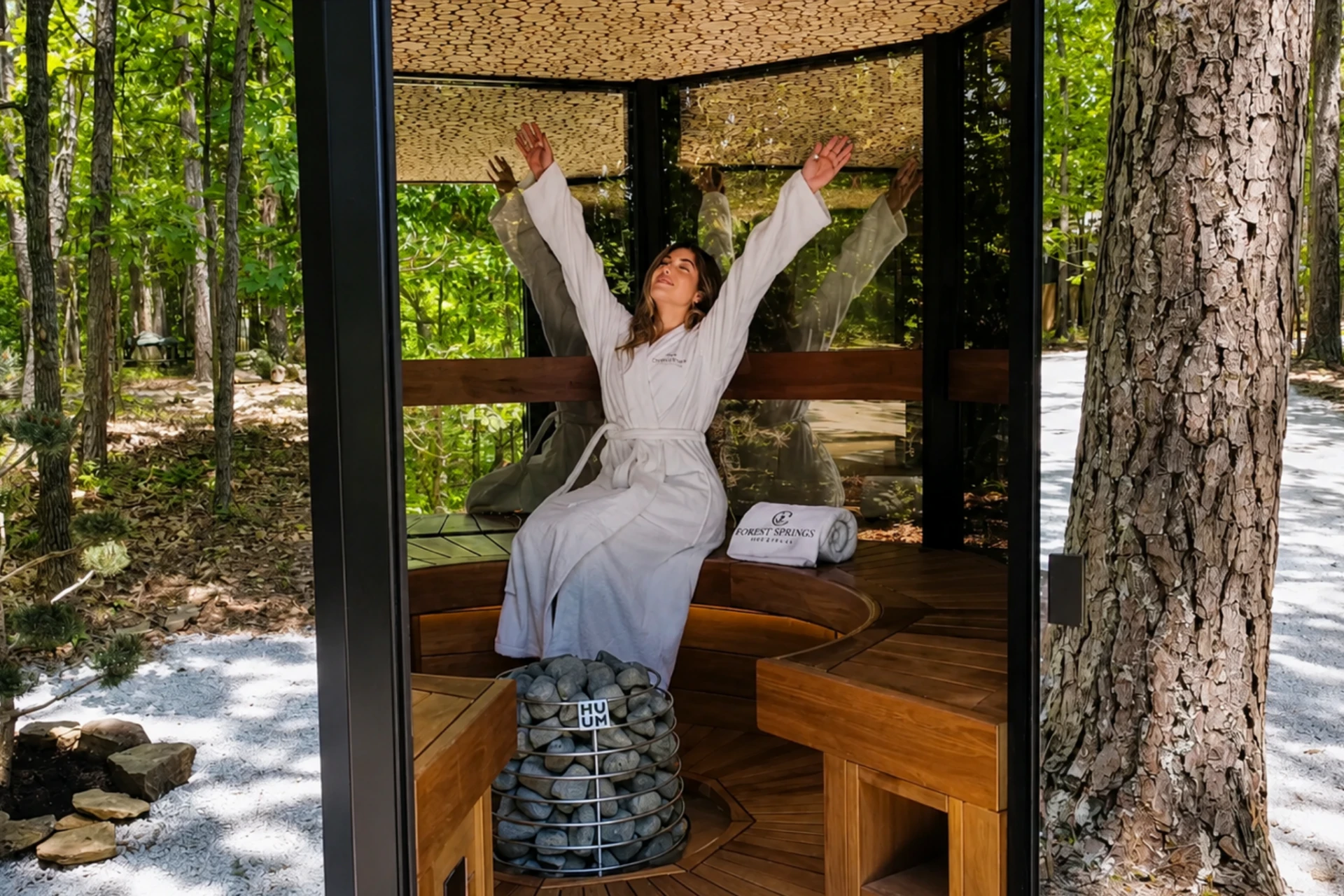
The term "wellness hotel" has entered our travel vocabulary, but what does it actually mean? It's more than a hotel with a spa, more than a resort with yoga classes. A true wellness hotel represents a fundamental rethinking of what hospitality can offer, and what travelers actually need.
More Than a Hotel with a Spa
The key distinction: at a traditional hotel, wellness is an add-on. At a wellness hotel, it's the organizing principle. Every design decision, every amenity, every program is filtered through the question: "Does this contribute to guest wellbeing?"
This philosophy shows up everywhere. Room design prioritizes sleep quality over flashy aesthetics. Restaurants focus on nourishing, whole foods rather than rich indulgence. Schedules allow space for rest rather than packing every hour with activities.
Traditional Hotel
- • Wellness as optional extra
- • Spa separate from main experience
- • Entertainment-focused programming
- • Design for visual impact
- • Indulgent dining
Wellness Hotel
- • Wellness integrated throughout
- • Entire property designed for wellbeing
- • Restoration-focused programming
- • Design for function and calm
- • Nourishing cuisine

The Pillars of Wellness Hospitality
True wellness hotels address multiple dimensions of health, recognizing that genuine wellbeing is holistic:
Sleep & Rest
Premium mattresses, blackout options, minimal light pollution, quiet hours enforced. Many wellness hotels track sleep science and design rooms accordingly, proper temperature control, air quality, and circadian-friendly lighting.
Movement
Beyond the standard gym, wellness hotels offer yoga, hiking, swimming, and movement classes in natural settings. The goal is joyful movement, not punishment.
Nourishment
Food as medicine. Local, seasonal, whole ingredients prepared to support energy and vitality. Many offer specialized dietary options and teach guests about nutrition.
Mental Wellness
Meditation spaces, digital detox support, journaling prompts, and programming that addresses stress, anxiety, and mental clarity.
Nature Connection
The best wellness hotels are set in nature, offering forest bathing, outdoor activities, and programming that leverages the healing power of natural environments.
Thermal Wellness
Saunas, cold plunges, contrast therapy, and water-based treatments that have documented health benefits.
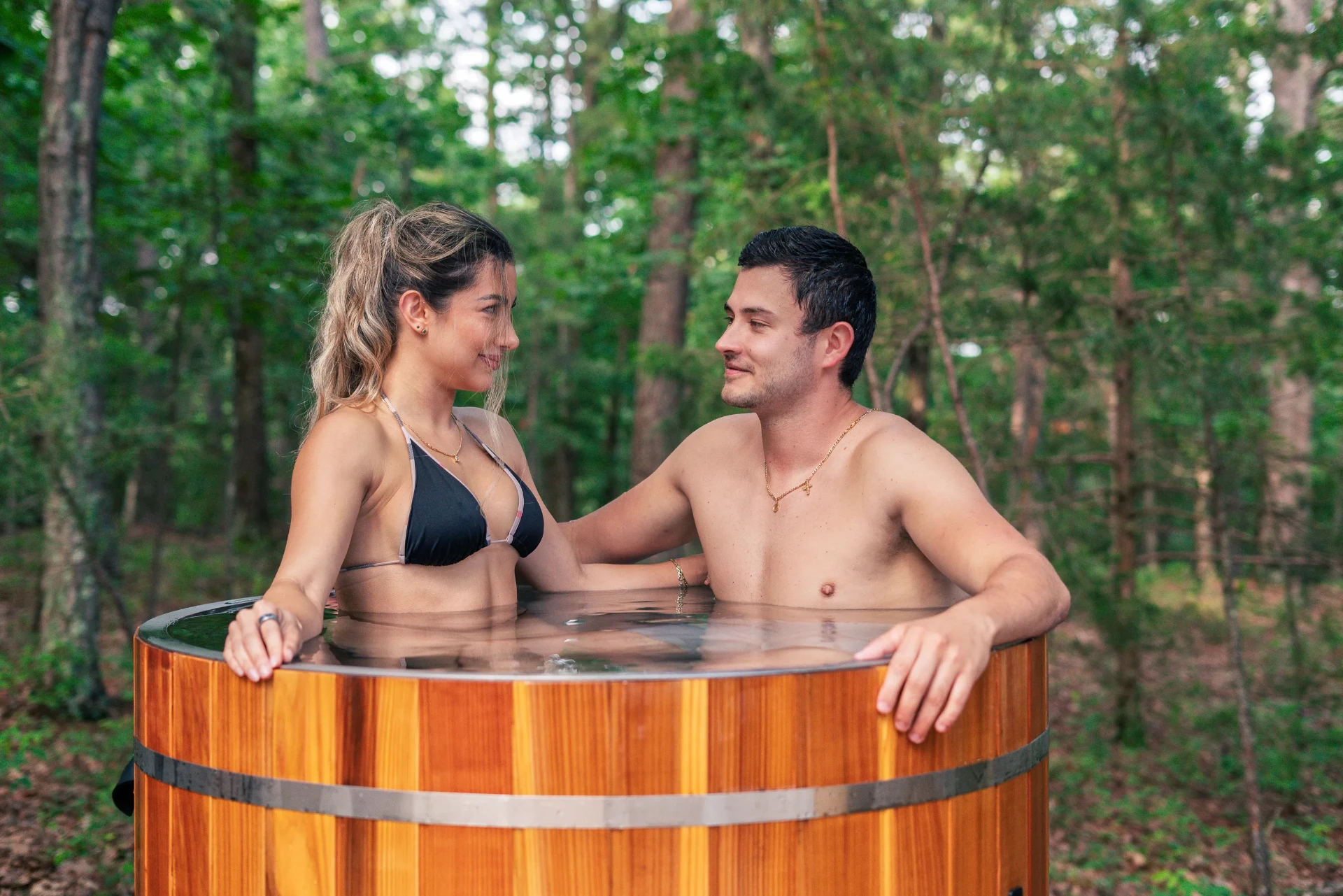
Thermal wellness is a core offering at true wellness hotels
How Wellness Hotels Differ from Spas
A spa is a place you visit for treatments. A wellness hotel is a place you stay for transformation. The difference is duration and integration.
Day spas offer 60-90 minute escapes, lovely, but temporary. Wellness hotels offer immersive experiences over multiple days. The benefits compound: better sleep leads to better decisions about movement and food, which leads to improved mood, which deepens sleep further.
This is why research shows that wellness retreats of 3+ nights produce lasting changes in stress markers, sleep quality, and reported wellbeing, effects that persist for weeks or months after returning home.
The Rise of Wellness Travel
The wellness tourism industry has grown to over $700 billion globally, expanding at twice the rate of traditional tourism. This isn't a trend, it's a fundamental shift in what travelers want.
The drivers are clear: burnout is endemic, chronic stress is normalized, and people are increasingly aware that traditional vacations often leave them more exhausted than when they left. Travelers are asking a different question: instead of "Where can I go?" they're asking "How do I want to feel when I return?"
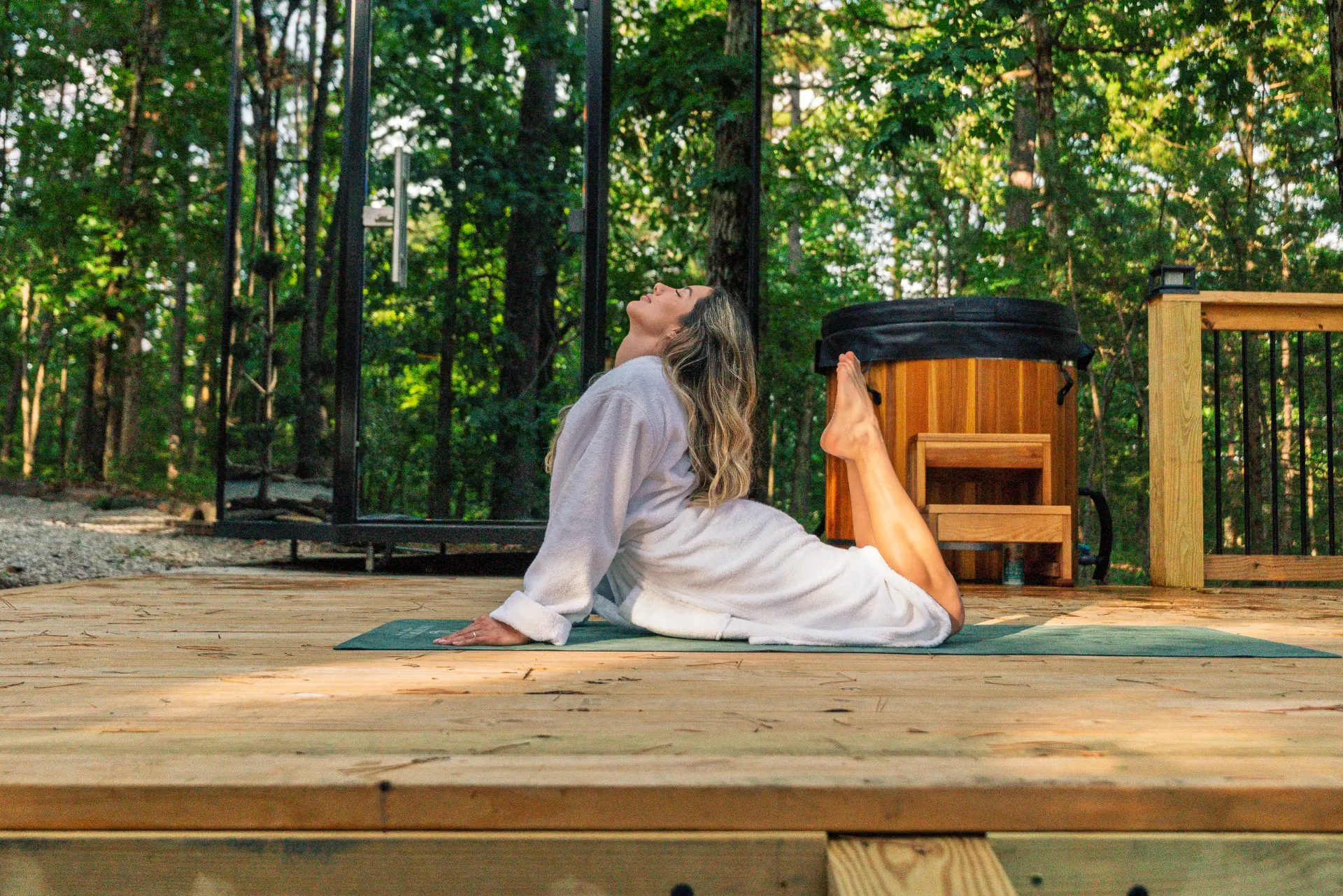
Nature connection is essential to the wellness hotel experience
What to Look for in a Wellness Hotel
Not every property marketing itself as "wellness" delivers the real thing. Here's how to evaluate:
- Location: Is it set in nature? Can you walk into a forest, onto a beach, or into mountains directly from the property?
- Sleep design: What specific investments have they made in sleep quality?
- Thermal wellness: Do they offer sauna, cold plunge, or contrast therapy?
- Programming depth: Are offerings comprehensive and guided, or just a yoga class added to standard hotel services?
- Food philosophy: Is nutrition a focus, or is the restaurant a standard hotel restaurant?
- Digital detox support: Do they help you disconnect, or is WiFi speed the selling point?
- Staff expertise: Are staff trained in wellness, or just in hospitality?
Who Benefits Most
Wellness hotels serve guests at various life stages and needs:
The Burned-Out Professional
Seeking genuine restoration, not just a change of scenery. Needs support to actually disconnect and recover.
The Health-Conscious Traveler
Doesn't want to abandon healthy habits while traveling. Seeks environments that support their lifestyle.
Couples Seeking Reconnection
Looking for shared experiences beyond dinner and sightseeing. Wellness activities create connection.
The Wellness-Curious
Interested in practices like sauna or meditation but unsure where to start. Wellness hotels offer guided introduction.
Experience a Wellness Hotel
Forest Springs combines boutique hospitality with evidence-based wellness programming in the Ozark forest.
Discover a New Way to Travel
Experience what a wellness hotel can offer at Forest Springs Resort, where every detail is designed for your restoration.
Book Your StayUpdated